
Dental Implants
Trusted Dental Implant Surgery in Revelstoke, BC
What Are Dental Implants?
Dental implants are replacement teeth that serve as artificial tooth roots made of titanium or zirconia. They are surgically placed into the jawbone to support crowns, bridges, or artificial teeth. Over time, the implant fuses with the bone through a process called osseointegration, providing a stable and permanent solution for missing teeth.
At Selkirk Dental, we provide professional, long-lasting dental implants that look and feel like natural teeth to restore your smile and your confidence. Whether you’re missing a single tooth or need a complete smile restoration, our experienced team is here to guide you every step of the way.
We combine advanced technology, precise diagnostics, and compassionate care to make your surgical procedures, like dental implant surgery, as smooth and stress-free as possible.
Book An In-Person Consultation
Want to know if you are a candidate for dental implants or dentures? Book an in-person consultation.
The Dental Implant Procedure: Step by Step
Curious about what to expect? Here’s how the typical dental implant procedure works at Selkirk Dental, from your first visit to your final smile.
1. Initial Consultation
Your journey begins with a comprehensive consultation. We’ll examine your mouth, take digital X-rays or 3D scans, and review your medical history. This helps us assess your oral health, identify any underlying issues, and determine whether a bone graft or other prep work is needed before moving forward with implant surgery. We’ll also walk you through your treatment options, including implant types, timelines, and tooth implant cost.
2. Bone Graft (If Needed)
If your jawbone lacks the necessary strength or density, a bone graft may be required to build up the implant site. This ensures your jaw has enough healthy bone to support the implant, encouraging proper bone growth. Healing from a bone graft can take several weeks to a few months, depending on the extent of the procedure.
3. Implant Surgery
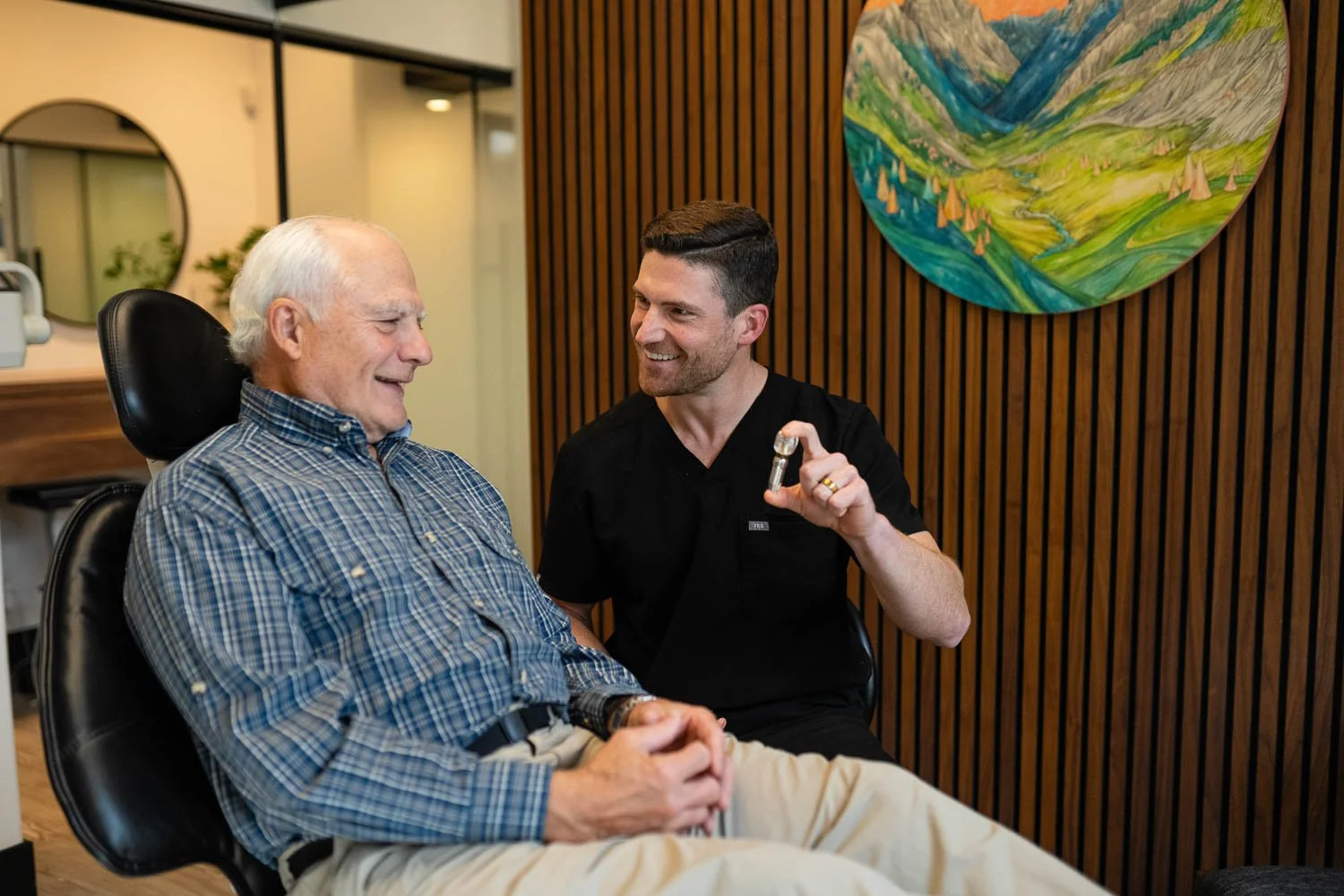
Once your jaw is ready, we perform the dental implant surgery. A small titanium or zirconia post is surgically placed into your jawbone — this post acts as the artificial root for your new tooth. The procedure is typically done under local anesthesia, and many patients report minimal discomfort.
4. Healing Period
After the post is placed, your body begins a process called osseointegration, where the implant fuses with your jawbone. This healing phase is crucial for long-term stability and usually takes 3 to 6 months. During this time, you may wear a temporary crown or denture to maintain appearance and function.
5. Placing the Artificial Tooth
Once healing is complete, we attach your final restoration — a custom-made crown, fixed bridge, or full arch of artificial teeth — depending on your treatment plan. These prosthetic teeth are designed to match your natural smile in color, shape, and fit, giving you a comfortable, lifelike result that looks and feels just like the real thing.
Preparing for Implant Surgery
Before your dental implant surgery, we take time to make sure you’re fully prepared and comfortable with the process. It all starts with a comprehensive consultation where we assess your oral health, take digital X-rays, and review your medical history. This helps us determine whether you’re a good candidate for implant surgery and if any additional procedures, like a bone graft, are needed to support the implant.
Once we’ve confirmed you’re ready, we’ll develop a personalized treatment plan that outlines how many implants you need, what type of restoration will be used (such as a crown, fixed bridge, or full arch), and a general timeline for healing. If your jawbone isn’t strong enough, a bone graft may be recommended to encourage new bone growth and provide a stable foundation for the implant. Before your appointment, you’ll receive detailed instructions — such as avoiding food for a few hours before surgery or arranging a ride home if sedation is used. Our team will walk you through everything, answer your questions, and make sure you feel informed and supported every step of the way.
What to Expect After Implant Surgery
Recovery varies depending on how many implants you receive and whether a bone graft was performed. Typically, you can expect some swelling and discomfort for the first few days, which can be managed with over-the-counter pain relief or antibiotics if prescribed. You’ll need to stick to a soft food diet during the early healing phase to avoid stressing the implant site. Complete healing, including osseointegration (where the bone fuses with the implant), usually takes 3 to 6 months. We’ll schedule regular follow-ups to monitor your progress and will place your final artificial teeth once everything has fully healed.

Make An Appointment With Selkirk Dental
If you're considering tooth replacement options like dental implants, Selkirk Dental is here to help you achieve a long-lasting, beautiful smile. As experienced professionals in implant dentistry, we are committed to ensuring your procedure is as comfortable and effective as possible. Whether you're interested in full mouth dental implants or replacing just a few teeth, our team is dedicated to finding the right solution for you that feels like natural teeth .
Dental implants are a proven, stable option for artificial replacement teeth, and they’re attached directly to the implant, providing the strength and durability of your own teeth. We also offer implant surgery for those dealing with periodontal disease or insufficient jawbone. For cases requiring additional support, a bone graft can help encourage bone growth and ensure the implant has adequate bone to fuse with.
We understand the importance of gum tissue health in successful implant procedures, and our team will guide you through any necessary steps to ensure the gums heal properly. If you’re looking for a long-term solution, prosthetic teeth like a crown, bridge, or denture attached to your implants will restore both function and appearance.
Ready to get started? Call us today
Dental Implants vs Dentures: Which Is Better?
Both replace missing teeth, but they work very differently. Dental implants are often the better choice if you want something permanent, comfortable, and natural-feeling.
| Feature | Dental Implants | Dentures |
|---|---|---|
| Stability | Dental Implants: Fixed in your jaw | Dentures: Removable |
| Longevity | Dental Implants: 25+ years | Dentures: 5–8 years |
| Jawbone Health | Dental Implants: Promotes bone growth | Dentures: No support for jawbone |
| Comfort | Dental Implants: Feels natural | Dentures: May shift or slip |
| Maintenance | Dental Implants: Easy — like natural teeth | Dentures: Needs soaking and special cleaning |
Benefits of Dental Implants
Dental implants offer a wide range of benefits that make them one of the most trusted solutions for replacing missing teeth. They’re incredibly durable — with proper care, they can last 25 years or more — and are designed to look, feel, and function just like natural teeth. Because implants are placed directly into the jawbone, they provide unmatched stability and eliminate the slipping or discomfort often associated with dentures.
One of the most important advantages of implants is their ability to stimulate bone growth, which prevents the bone loss that typically follows tooth loss. This helps preserve your facial structure and keeps your smile looking youthful and full. Implants also don’t rely on adjacent teeth for support, unlike traditional bridges, which means your healthy teeth are left untouched and protected. Plus, they’re easy to maintain — just brush, floss, and keep up with regular dental visits. Whether you're eating, speaking, or smiling, dental implants help you live with more comfort and confidence.
Are Dentures the Right Choice for You?
Dentures can be a practical solution for many people dealing with significant tooth loss, especially if you’re looking for an affordable, non-surgical option. They’re custom-made to fit your mouth and restore your ability to eat, speak, and smile with confidence. For some patients, especially those who may not be ready for surgery or who have certain medical conditions, dentures are a great choice.
However, it’s important to weigh the pros and cons, especially when comparing them to conventional dentures . Unlike dental implants, dentures don’t stimulate the jawbone, which can lead to bone loss and changes in facial appearance over time. They may also need to be adjusted or replaced more frequently, and some people find them less comfortable or stable compared to permanent options.
If you’re unsure whether dentures or dental implants are right for you, our team at Selkirk Dental is here to help. We’ll walk you through both options, explain the long-term benefits, and help you choose the treatment that fits your lifestyle, health, and budget.
Why Choose Selkirk Dental for Your Dental Implant Procedure?
Our top priority is the standard of care and personal experience of our patients.
Here’s what sets us apart:
Expert Care
Our dentists have advanced training in implant surgery and restorative dentistry.
Locally Trusted
Proudly serving the Revelstoke and surrounding communities with patient-first care.
Advanced Tech
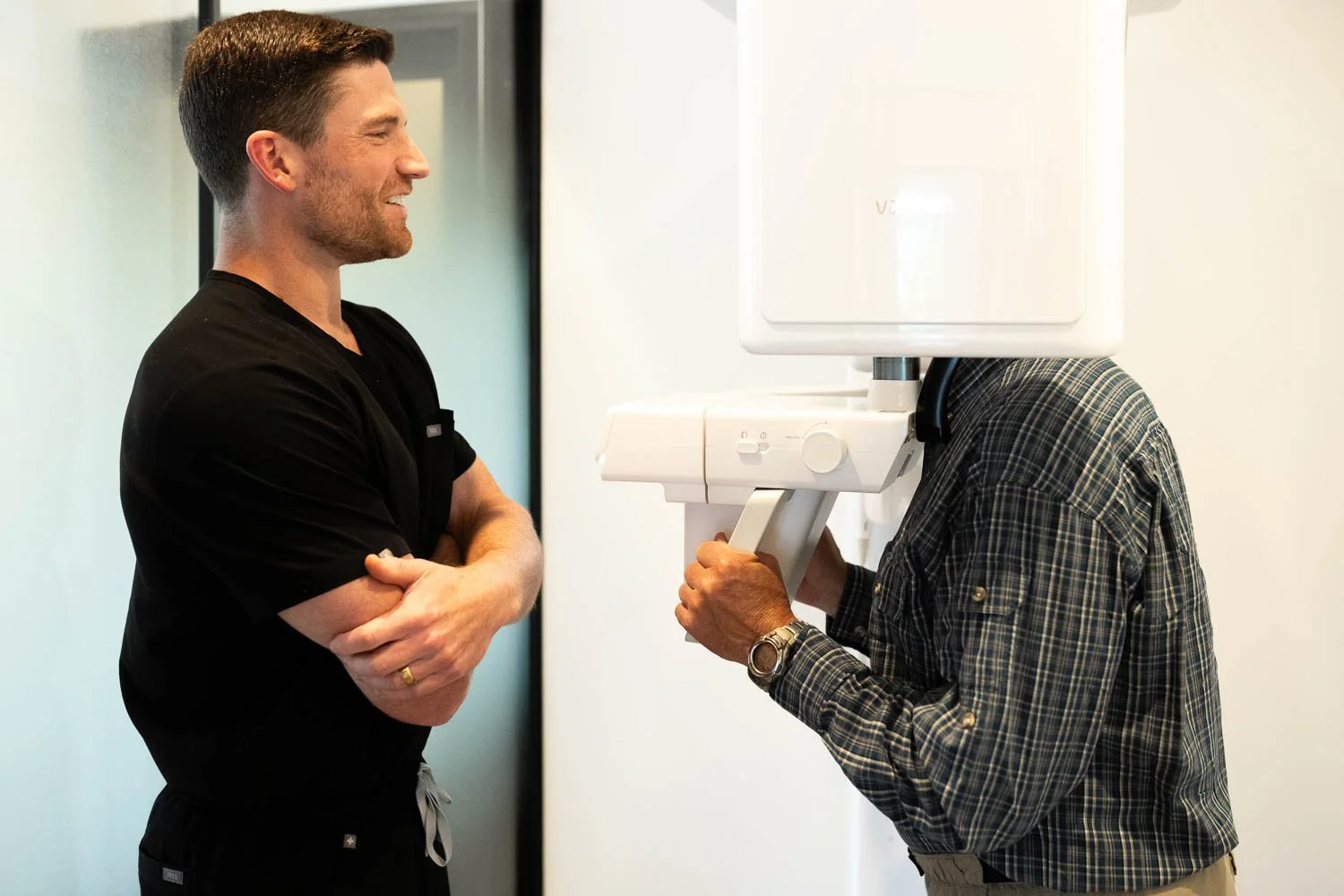
We use 3D imaging to plan your implant site for maximum comfort and precision.
Easy Scheduling
Book online anytime or call to speak with our team directly.
Dental Implant FAQs
-
Recovery from dental implant surgery generally takes a few months, but most patients experience only mild discomfort immediately following the procedure. For the first few days, you might have swelling, bruising, or soreness around the implant site, which can be managed with prescribed pain medication and cold compresses. Full integration of the implant into the jawbone, called osseointegration, takes about 3 to 6 months. During this time, you should avoid hard or chewy foods, practice good oral hygiene, and follow your dentist’s post-operative care instructions.
Most patients can return to normal activities within a week or two, but healing times vary depending on individual health and the complexity of the procedure. Your dentist will schedule follow-up appointments to monitor your progress and ensure everything is healing as expected.
-
With proper care, dental implants can last 25 years or more. Their durability makes them a smart long-term investment in your smile. Brushing, flossing, and regular checkups are key to keeping them in great shape.
-
In British Columbia, dental implants typically range from $3,500 to $5,000 per tooth. However, this is just an average. Your final cost depends on several factors, such as:
The number of implants required
The type of restoration (single crown, fixed bridge, or full mouth)
Whether a bone graft is needed beforehand
The materials chosen (titanium vs. zirconia)
Your unique oral health needs
While BC health care does not cover the cost of dental implants, some private insurance plans may offer partial coverage. We’re happy to help you review your benefits and provide a clear, personalized estimate during your consultation — no pressure, no surprises.
-
Full mouth dental implants are ideal if you're missing most or all of your teeth. There are a few options:
1. Implant-Supported Dentures
A few implants anchor a full denture — more stable than traditional dentures.
2. All-on-4 or All-on-6
Four to six implants support a full arch of artificial teeth, giving you a strong, fixed smile in fewer appointments.
-
It’s a common concern, but most patients are surprised by how little discomfort they feel during and after dental implant surgery. At Selkirk Dental, we use local anesthesia and, when needed, sedation options to ensure your comfort throughout the procedure.
You may experience some swelling, mild bruising, or tenderness in the days following surgery, but these symptoms are typically manageable with over-the-counter pain relief and aftercare instructions from our team. Many people report that getting a dental implant is less painful than having a tooth extracted.
Our priority is your comfort — before, during, and after your treatment. You always have the option to be sedated during the procedure as well.
-
Yes, we recommend caring for implants like natural teeth with twice daily home care and 6-12 month hygiene visits at a minimum. Sometimes the crowns are replaced on the implant over time as your natural teeth change and shift with age.

How to Know If You Need Dental Implants
If you're missing one or more teeth, struggling with loose dentures, or dealing with chronic dental issues, dental implants may be the right solution for you. They’re ideal for patients looking for a long-term, stable alternative to bridges or dentures — especially those who want a more natural look and feel. You might also benefit from implants if you’re tired of removable options that slip, click, or require messy adhesives.
Another sign you could be a good candidate is bone loss in the jaw. Tooth loss can cause the jawbone to shrink over time, which impacts your facial structure and can make other dental solutions less effective. Dental implants help preserve your jawbone by stimulating bone growth, which helps maintain both your oral health and appearance.
During your consultation at Selkirk Dental, we’ll assess your overall health, gum condition, and jawbone density to determine if dental implants are right for you. Even if you’ve been told in the past that you’re not a candidate, newer techniques — including bone grafting and sinus augmentation — may now make it possible.

Book Your Dental Consultation in Revelstoke, BC
If you’re ready to explore dental implants or have more questions about your options, the Selkirk Dental team is here to help. Whether you’re missing one tooth or many, we’ll guide you through the process with expertise and care.