
Wisdom Tooth Extraction in Revelstoke
What Are Wisdom Teeth?
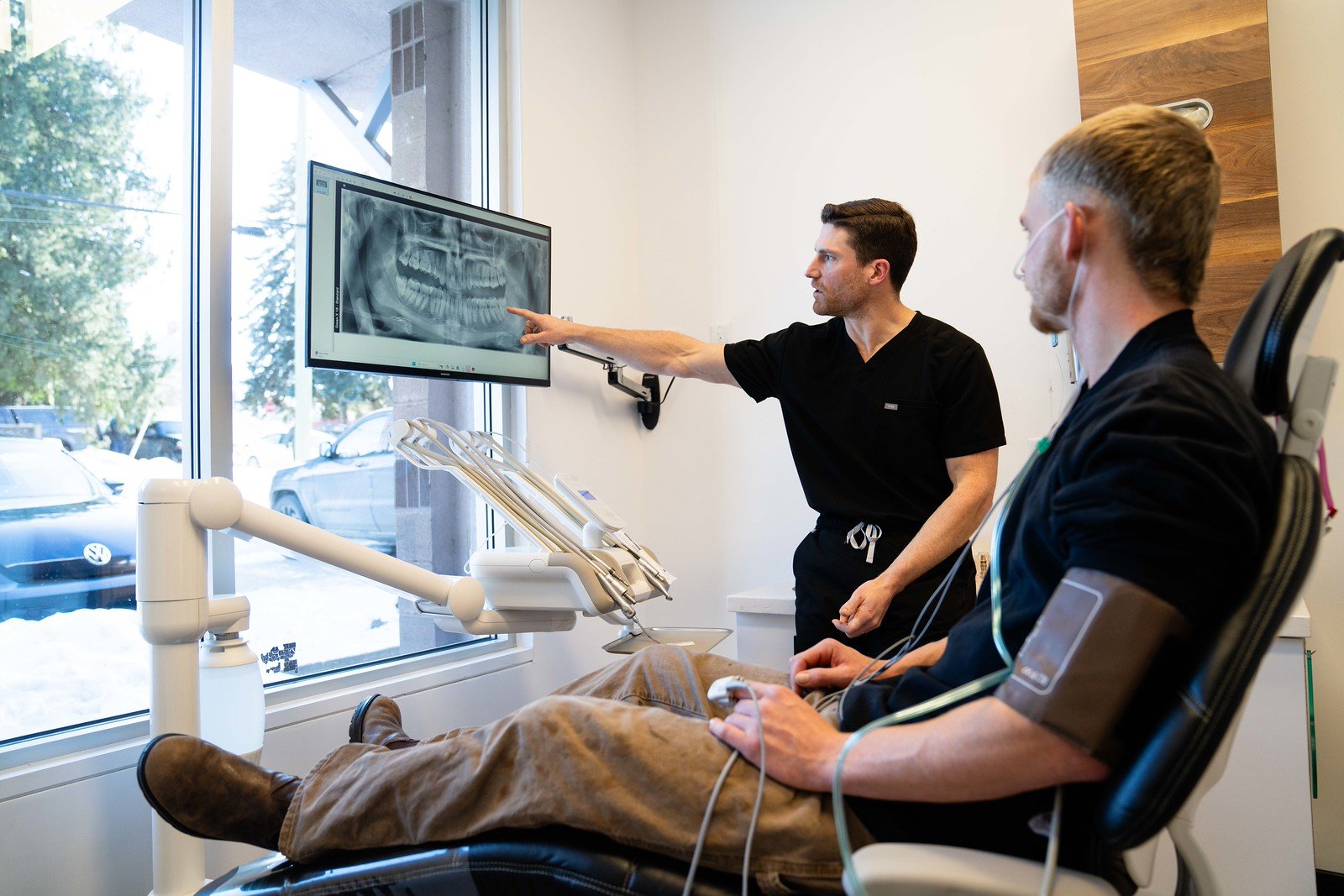
Wisdom teeth are the last molars to emerge, usually appearing between the late teens and early twenties. Most adults have four—two on the top and two on the bottom. These teeth can be helpful when healthy and properly aligned. However, they often cause problems due to lack of space in the mouth. For many people, wisdom teeth grow at an angle, get stuck under the gums (impacted), or put pressure on nearby teeth. When this happens, dental professionals may recommend extraction to avoid long-term complications.
Why Are Wisdom Teeth Removed?
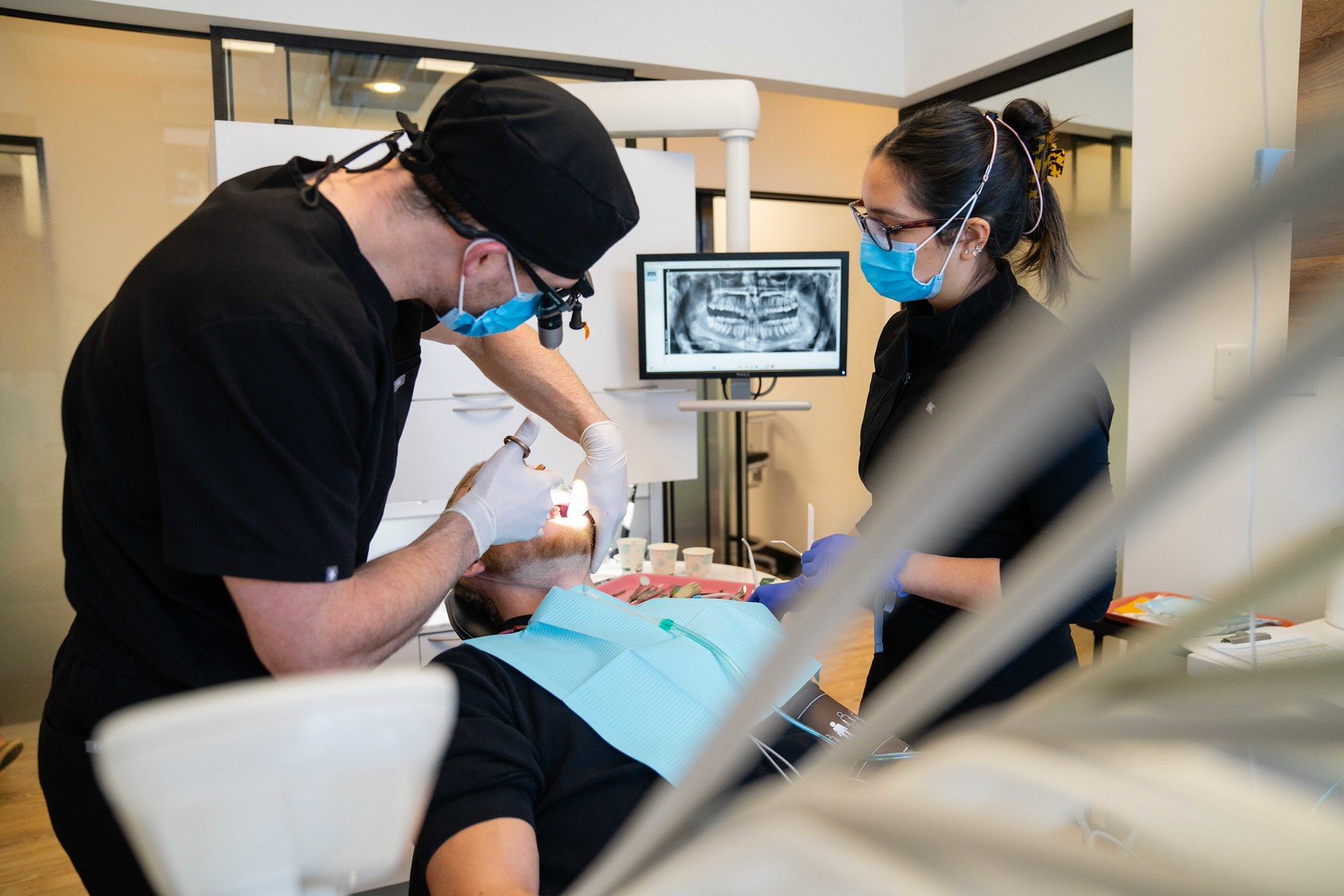
While some wisdom teeth grow in without causing problems, most people are advised to have them removed to protect long-term oral health. Removing wisdom teeth is often necessary to prevent complications that can arise from problematic or impacted teeth.
Wisdom teeth are often removed to prevent or address complications such as:
Pressure on nearby teeth
Inflammation of the gums
Infection or abscesses
Tooth decay in hard-to-clean areas
Cysts or damage to the jawbone
Impacted wisdom teeth or an impacted tooth that is trapped in the jawbone or gums, which can cause pain, infection, and require surgical removal
Early removal of wisdom teeth can help avoid other complications and reduce the risks associated with dental surgery.

Preparing for and Undergoing Wisdom Tooth Removal
Before your wisdom teeth are removed, your dentist will perform a complete evaluation to determine the best course of action. A dentist or oral surgeon will conduct this assessment, which typically includes a review of your medical history, an oral examination, and digital X-rays to assess the position of the teeth and the surrounding bone. Your dentist will then explain whether a simple or surgical extraction is needed and discuss anesthesia options with you, which may include local anesthesia, sedation, or general anesthesia depending on your comfort level and the complexity of the procedure. An oral surgeon is often involved in more complex cases, especially when impacted teeth or surgical risks are present.
During the removal itself, the approach is tailored to your situation. For erupted teeth, the extraction may involve gently loosening and removing the tooth. If the tooth is impacted or only partially visible, a small incision may be made in the gum tissue, and the tooth may be sectioned into smaller pieces for easier removal. Your oral surgeon will ensure the tooth is removed from the surgery site, and the tooth socket is thoroughly cleaned to promote healing. After the tooth is extracted, the site is cleaned, and stitches may be placed if necessary to support proper healing. Once the procedure is complete, you’ll receive detailed aftercare instructions and be discharged the same day to begin recovery at home.
Aftercare for Wisdom Tooth Extraction
Recovery is an important part of the wisdom teeth removal process. In the first 24 to 48 hours, it’s common to experience swelling, soreness, and mild to moderate discomfort. Some patients find that pain increases slightly around the second or third day before it begins to improve. Cold compresses can help reduce swelling, and pain can typically be managed with over-the-counter or prescribed medication as directed by your dental provider.
Bleeding may occur immediately after surgery. Light bleeding or oozing is normal, but heavy or prolonged bleeding should be reported. To help control it, bite down gently but firmly on gauze and follow all post-operative instructions. It’s essential that a blood clot forms at the extraction site—this supports healing and helps prevent complications such as dry socket. Avoid disturbing the clot by resting, keeping your head elevated, and avoiding vigorous activity.
After the first day, begin rinsing gently with warm salt water and continue brushing your teeth carefully, avoiding the surgical area. Oral hygiene is important, but the extraction site should be treated gently. Stick to soft foods such as applesauce, yogurt, scrambled eggs, or soup. Avoid crunchy, spicy, or very hot foods, which can irritate healing tissue. Gradually reintroduce solid foods over the course of a week, depending on your comfort and your provider’s guidance.
Swelling often peaks around day two or three and gradually decreases. A sore throat or mild jaw stiffness may occur during healing. In some cases, you may notice exposed bone at the surgical site. If discomfort worsens or symptoms persist, contact your provider. Follow-up appointments may be recommended to monitor healing and answer any questions you may have about returning to your regular diet and oral care routine.
Frequently Asked Questions
-
No, not everyone needs to have their wisdom teeth removed. If your wisdom teeth are fully erupted, properly aligned, and easy to clean, they may not require extraction. This applies to roughly 15–35% of the population. However, most people develop issues like crowding, impaction, or infection—making wisdom teeth surgery a recommended option. Your dental provider can evaluate whether removal is necessary based on your specific oral health.
-
You may need wisdom teeth surgery if you’re experiencing:
Pain or pressure at the back of your mouth
Swelling or recurring gum infections
Difficulty opening your mouth
Shifting of nearby teeth
Persistent bad breath or a sour taste
Even if you aren’t in pain, your provider may recommend removal to prevent future problems, especially if your teeth are impacted or hard to clean.
-
Yes. If you're looking for wisdom teeth removal near me, we offer this service locally in Revelstoke, BC. Clients come to us from surrounding neighbourhoods and regions including Malakwa, Sicamous, New Denver, Fauquier, Trout Lake, and Golden.
-
The ideal age for wisdom teeth extraction is between 16 and 25. At this age, the tooth roots are not fully formed, which often leads to shorter healing times and fewer complications. That said, extraction can be safely performed later if needed.
-
Recovery from wisdom teeth extraction typically takes 3 to 5 days. Most people experience mild swelling and discomfort during this time, which can be managed with rest, cold compresses, and over-the-counter or prescribed medications. Full healing of the surgical site may take one to two weeks.
-
You may be able to keep your wisdom teeth if:
They have fully erupted
They’re properly aligned
There is enough space in your mouth
You can clean them thoroughly
In these cases, your provider may recommend monitoring them during regular checkups rather than immediate wisdom tooth extraction.
-
If problematic wisdom teeth are not removed, you may experience:
Tooth crowding or misalignment
Repeated infections or gum disease
Jaw pain or stiffness
Tooth decay in hard-to-clean areas
Cysts or damage to nearby teeth
Early wisdom teeth extractions are often recommended to avoid these complications.
-
No, once wisdom teeth are removed, they do not grow back. However, in rare cases, a person may have extra teeth known as supernumerary teeth, which are unrelated to wisdom teeth regrowth.
-
Most patients take 1 to 2 days off to rest after wisdom teeth extraction. If your work involves physical labor or extended talking, additional time may be recommended. Your provider will offer recovery guidance based on your needs.
-
After surgery, you should avoid crunchy, spicy, or hot foods until the area has healed. After wisdom teeth surgery, choose soft foods such as:
Applesauce
Yogurt
Mashed potatoes
Oatmeal
Smoothies (without a straw)
Scrambled eggs
-
As with any surgical procedure, there are risks, though complications are uncommon. Your dental provider will discuss these risks with you and explain how to reduce them through proper aftercare. These may include:
Dry socket
Infection
Bleeding
Nerve irritation
Swelling or bruising
-
Impacted wisdom teeth are third molars that do not fully erupt through the gums due to lack of space, improper alignment, or obstruction by other teeth. This means they remain partially or completely trapped beneath the gum line or jawbone.
There are different types of impactions:
Soft tissue impaction: The tooth is covered by gum tissue.
Partial bony impaction: The tooth is partly covered by bone.
Full bony impaction: The tooth is entirely embedded in the jawbone.
Impacted teeth may not cause immediate symptoms, but they can lead to complications such as pain, swelling, infection, damage to nearby teeth, or cyst formation. Your dental provider can identify impacted wisdom teeth through a clinical exam and dental imaging and may recommend removal to prevent future problems.
Selkirk Dental Service Areas
At Selkirk Dental, we proudly welcome patients for wisdom tooth extraction from Revelstoke and nearby areas, including:
Revelstoke
Malakwa
Sicamous
Nakusp
New Denver
Slocan
Winlaw
Fauquier
Burton

Book An In-Person Dental Consultation
Book a professional dental appointment at Selkirk Dental. We’ll assess your needs.