
TMD / TMJ Treatment
Selkirk Dental offers Treatment for TMJ Disorder in Revelstoke and to Surrounding BC Communities
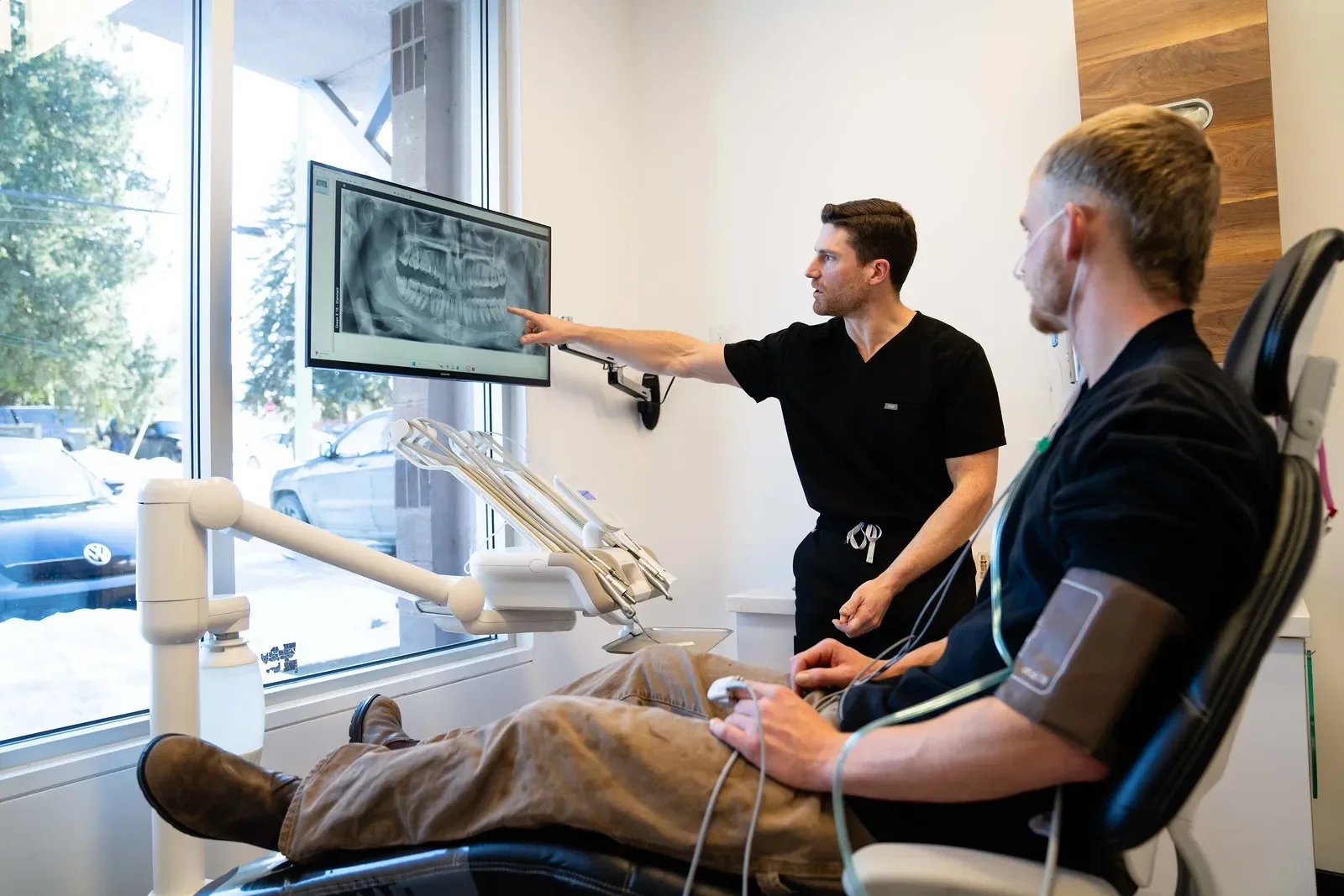
TMD and TMJ disorder can affect how your jaw moves, how your teeth come together, and how comfortable everyday activities feel, including chewing and speaking. At Selkirk Dental, TMD / TMJ treatment focuses on identifying factors that may be contributing to jaw discomfort and developing a care plan based on your needs.
Our dental clinic in Revelstoke provides TMD / TMJ disorder treatment for patients across the Columbia-Shuswap and Kootenay regions, including Salmon Arm, Sicamous, Nakusp, Golden, and nearby BC communities. If you are searching for a TMD / TMJ dentist near you, our team offers professional dental care aimed at improving jaw function and reducing strain over time.

What Is TMJ Disorder?
TMJ disorder refers to conditions affecting the temporomandibular joints, which connect the jaw to the skull. These joints help control jaw movement and play a role in chewing, speaking, and yawning. When the joints or surrounding muscles are under stress, symptoms may develop gradually or suddenly. TMJ symptoms can vary and may change over time. A dental assessment helps determine whether jaw discomfort is related to TMJ disorder or another oral health concern.

What Is TMD?
Temporomandibular disorder (TMD) is a term used to describe a group of conditions that affect the jaw joints, surrounding muscles, and how the jaw functions. While TMJ refers specifically to the temporomandibular joint itself, TMD describes problems that interfere with normal jaw movement or cause discomfort in that area. TMD may involve muscle tension, joint irritation, or bite-related factors, and symptoms can vary in intensity and duration. Understanding the difference helps clarify why treatment focuses on jaw function as a whole rather than the joint alone.
Signs and Symptoms of TMJ Disorder and TMD
TMJ disorder and temporomandibular disorder (TMD) can affect the jaw joints, muscles, and surrounding areas, which is why symptoms may vary from person to person. Some individuals notice occasional discomfort, while others experience ongoing symptoms that interfere with daily activities such as eating or speaking. If symptoms persist or become more noticeable, seeing a TMJ dentist near you can help determine whether TMJ disorder or TMD may be contributing factors. Common signs and symptoms may include:
Jaw pain or tenderness
Clicking, popping, or grinding sounds when opening or closing the mouth
Limited jaw movement or stiffness
Headaches or facial discomfort
Jaw fatigue when chewing
TMJ and TMD Treatment Options
TMJ and temporomandibular disorder (TMD) treatment depends on the underlying cause and the type of symptoms present. Because TMJ refers to the jaw joint and TMD includes conditions affecting the joint, muscles, and jaw function, treatment plans are individualized. Care may involve one or more approaches aimed at reducing strain on the jaw and supporting comfortable movement.
Bite and Occlusal Assessment
An evaluation of how the teeth come together helps identify bite-related factors that may place stress on the jaw joints or surrounding muscles. Addressing bite imbalance can play a role in managing TMJ and TMD symptoms.
Oral Appliances
Custom oral appliances may be recommended to support jaw positioning and reduce clenching or grinding, particularly during sleep. These appliances are designed to lessen pressure on the jaw joints and muscles.
Muscle and Joint Support
TMJ and TMD treatment may include guidance on jaw movement, posture, and daily habits that influence muscle tension around the jaw. Supporting muscle function can help reduce strain over time.
Monitoring and Follow-Up
TMJ and TMD symptoms may change as jaw function improves or daily habits shift. Follow-up visits allow your dental professional to monitor progress, review symptoms, and adjust treatment recommendations as needed.
We Are Your TMD / TMJ Dentist.
Our team is here to support you through your TMJ disorder. Set up a consultation today.
Should You See a Dentist or Another Healthcare Provider?
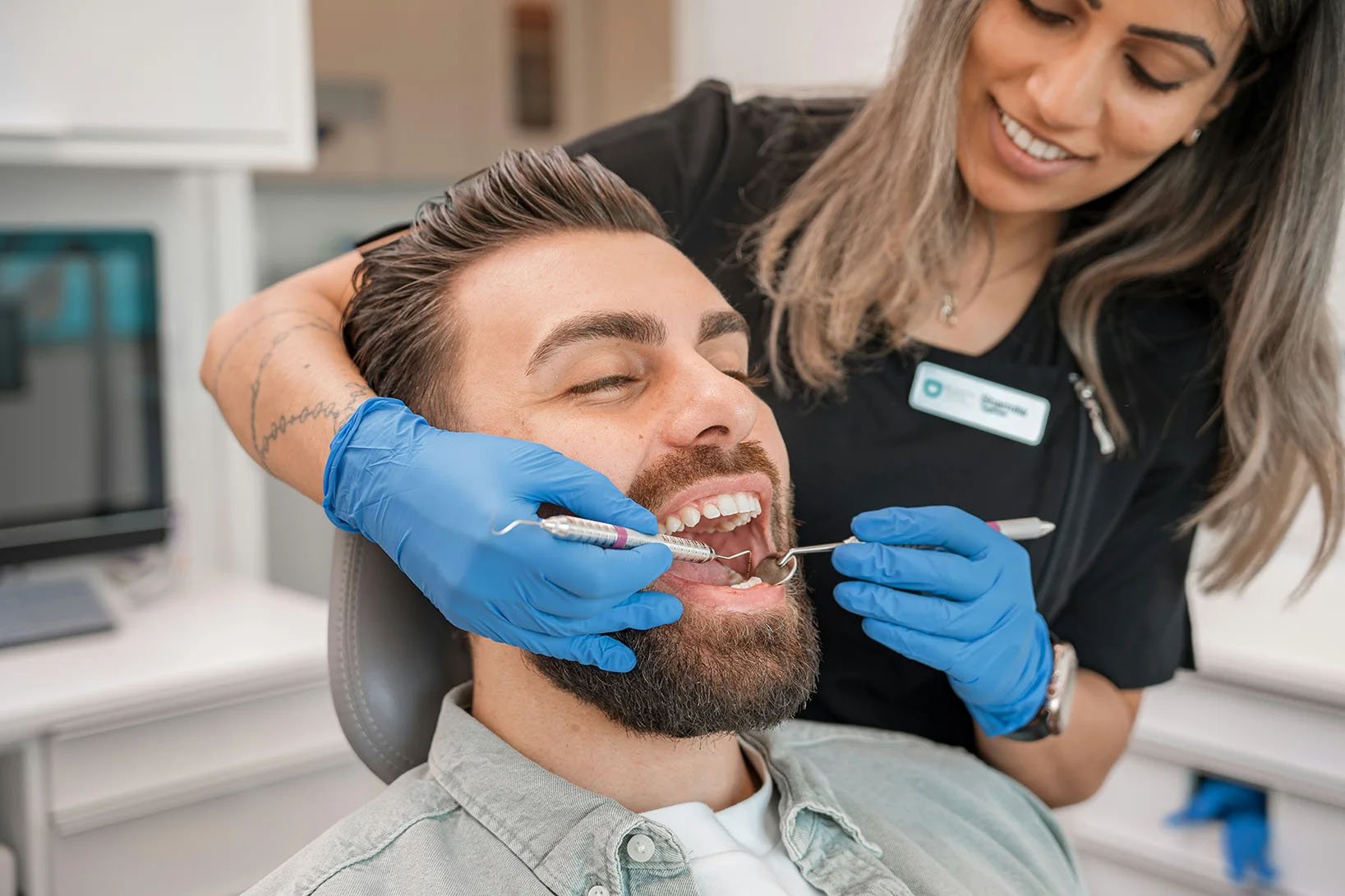
TMJ symptoms can involve the jaw joints, muscles, and how the teeth come together, which is why many people begin with a dental assessment. A dentist evaluates bite alignment, jaw movement, and oral factors that may contribute to TMJ discomfort. This helps determine whether symptoms are related to dental or jaw function. In some cases, TMJ disorder treatment may involve coordination with other healthcare providers if symptoms extend beyond the jaw or do not respond to dental care alone. Starting with a dentist allows for a clear understanding of whether TMJ symptoms are connected to oral health and what next steps may be appropriate.

FAQs
-
In many cases, a dentist is a suitable starting point for TMJ evaluation and treatment. Dentists assess how the jaw joints, teeth, and bite work together and can identify oral factors that may contribute to TMJ symptoms. Depending on the findings, TMJ disorder treatment may involve dental care alone or coordination with other healthcare providers. A dental assessment helps clarify whether TMJ symptoms are related to bite alignment, muscle strain, or joint stress.
-
The 3 finger test is a simple screening method used to assess jaw mobility. It involves placing three fingers vertically between the upper and lower front teeth. If you are unable to fit three fingers comfortably without pain or restriction, it may indicate limited jaw opening. While this test is not a diagnosis, it can signal the need for a professional evaluation by a TMJ dentist near you.
-
There is no single TMJ treatment that works the same for everyone. The most effective approach depends on the cause of the disorder, symptom severity, and how the jaw responds to care.
Many patients benefit from conservative dental treatments that focus on bite balance, jaw support, and reducing muscle strain. A dental assessment helps determine which options are appropriate for your situation.
-
Jaw pain can occur when the muscles, joints, or teeth are under repeated strain. Common contributors include teeth grinding or clenching, bite imbalance, jaw injury, arthritis, or prolonged stress on the jaw muscles. Poor posture and habits such as chewing gum frequently can also place added pressure on the temporomandibular joints. A dental assessment helps determine whether jaw pain is related to TMJ disorder or another oral health concern.
-
You may qualify for TMJ treatment if you experience ongoing jaw pain, clicking or popping sounds, limited jaw movement, headaches, or discomfort when chewing or opening your mouth. Qualification is based on a clinical assessment rather than a single symptom. During your visit, a dental professional evaluates jaw movement, bite alignment, and reported symptoms to determine whether TMJ disorder treatment is appropriate and what options may be suitable for your situation.
-
Treatment timelines vary depending on symptoms and response to care. Some patients notice changes within weeks, while others require ongoing monitoring.
-
Teeth grinding or clenching can place additional stress on the jaw joints and may contribute to TMJ symptoms. Addressing these habits is often part of TMJ disorder treatment.
-
Yes, TMJ disorder can cause facial pain in some individuals. Because the jaw joints and muscles are closely connected to the cheeks, temples, and surrounding facial areas, strain or inflammation in the jaw can lead to discomfort beyond the joint itself. Facial pain may feel like pressure, aching, or soreness and can sometimes be mistaken for sinus issues or tension-related headaches. A dental assessment can help determine whether facial pain is related to TMJ disorder or another condition.
Areas We Serve
At Selkirk Dental, we proudly welcome patients from Revelstoke and nearby areas, including:
Revelstoke
Malakwa
Sicamous
Nakusp
New Denver
Slocan
Winlaw
Fauquier
Burton
Trout Lake
Golden
Field and Lake Louise

Book An In-Person Dental Consultation
Think you might need gum surgery or a graft? Book a professional evaluation at Selkirk Dental. We’ll assess your gums, explain treatment options, and walk you through costs and recovery.