When to Start Brushing Baby Teeth: A 2026 Guide
By the team of dental professionals at Selkirk Dental Clinic | Serving Revelstoke, BC and surrounding communities
Most parents assume dental care begins when teeth appear. In reality, it starts earlier — and getting it right in the first year builds the foundation for a lifetime of healthy smiles.
At Selkirk Dental Clinic, we work with families across Revelstoke and nearby communities every day. Here are the most common questions we hear, answered with the most current guidance available.
Table of Contents
Article Takeaways
Start cleaning your baby's mouth from birth — gums need wiping before any teeth appear.
Use a rice-grain of fluoride toothpaste from the very first tooth, not fluoride-free.
Book your child's first dental visit by their first birthday, not when a problem shows up.
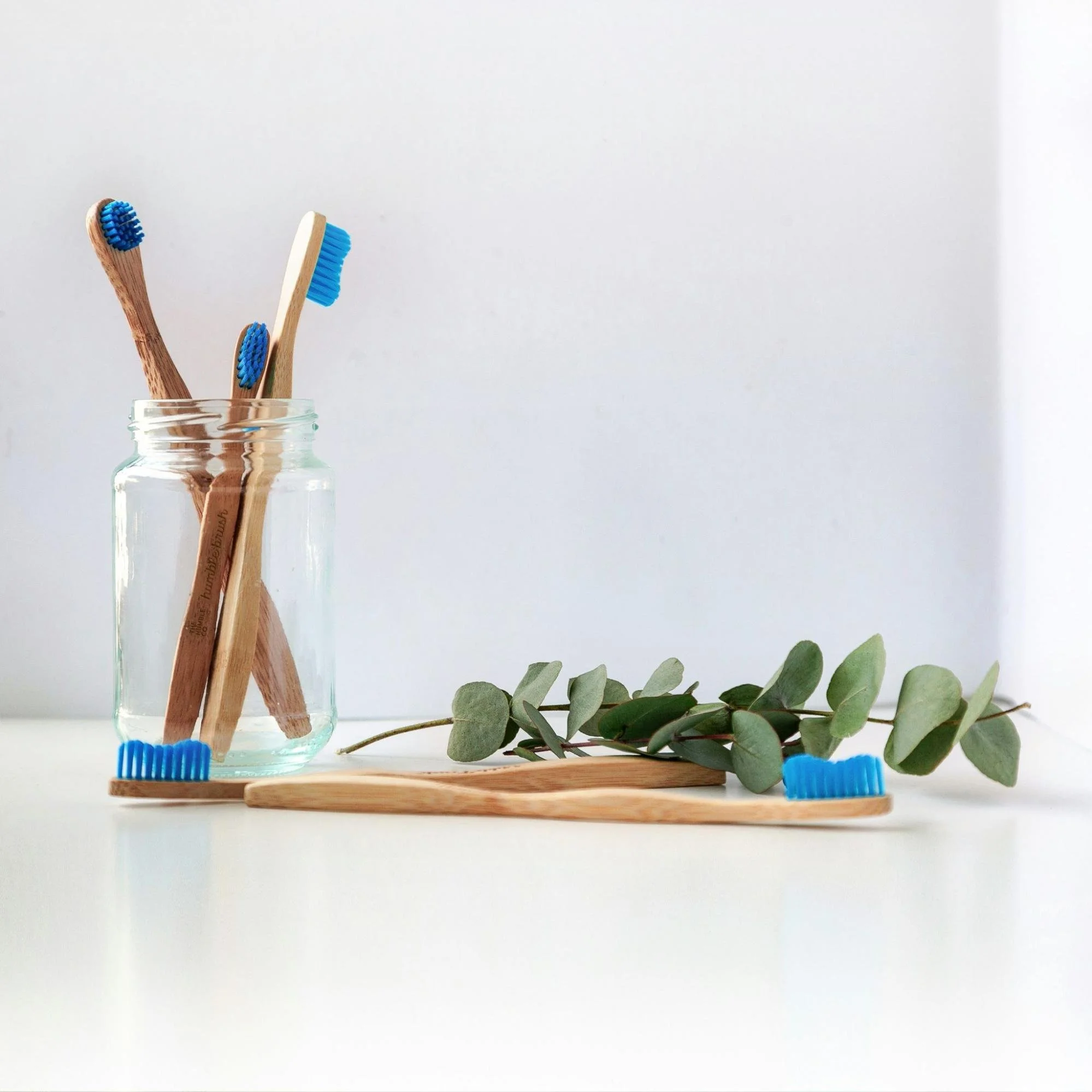
When Should I Start Brushing My Baby's Teeth?
Common advice from pediatric dentists is to start brushing as soon as your baby's first tooth appears — typically between 6 and 10 months of age. Oral care, however, begins before that.
The American Academy of Pediatric Dentistry (AAPD), the American Academy of Pediatrics (AAP), and the American Dental Association (ADA) all recommend the first dental visit by age one, or within 6 months of the first tooth — whichever comes first.
The CDC's 2024 Oral Health Surveillance Report found that 11% of children aged 2–5 already have untreated tooth decay. TheNIDCR reports 23% of children ages 2–5 have experienced dental caries in their primary teeth. According to the AAPD, tooth decay is the most common chronic childhood disease — more prevalent than asthma, obesity, and diabetes. It is also largely preventable.
Baby teeth may be temporary, but the damage done to them is not. A cavity in a baby tooth causes real pain, can lead to infection, and often requires treatment under general anesthesia in young children — a stressful and costly outcome that is almost always preventable. Beyond the pain, losing a baby tooth too early disrupts the path the permanent tooth needs to follow, leading to crowding and alignment problems that can require years of orthodontic treatment later. The bacteria that cause decay are also not contained to one tooth: once active in the mouth, they spread. Starting oral care early is not about protecting teeth that will eventually fall out. It is about protecting your child's health, development, and the permanent smile that is already forming beneath the surface.
The Full Brushing Timeline
Birth
Wipe your baby's gums with a clean, damp cloth or gauze pad after every feeding. This removes bacteria and milk sugars before they can cause harm.
First Tooth Erupts (Avg. 6–10 Months)
Switch to a soft-bristled infant toothbrush with a rice-grain-sized smear of fluoride toothpaste. Brush twice daily — after breakfast and before bed.
First Birthday
Book your child's first dental visit. Early visits allow a dental professional to check development, apply fluoride varnish, and give personalized guidance.
Two Teeth Touching
Begin flossing between those teeth. A toothbrush cannot reach these contact points, and this is where decay commonly begins.
Age 3
Increase toothpaste to a pea-sized amount and begin teaching your child to spit — but not rinse. Leaving a little fluoride toothpaste on the teeth extends its protective effect.
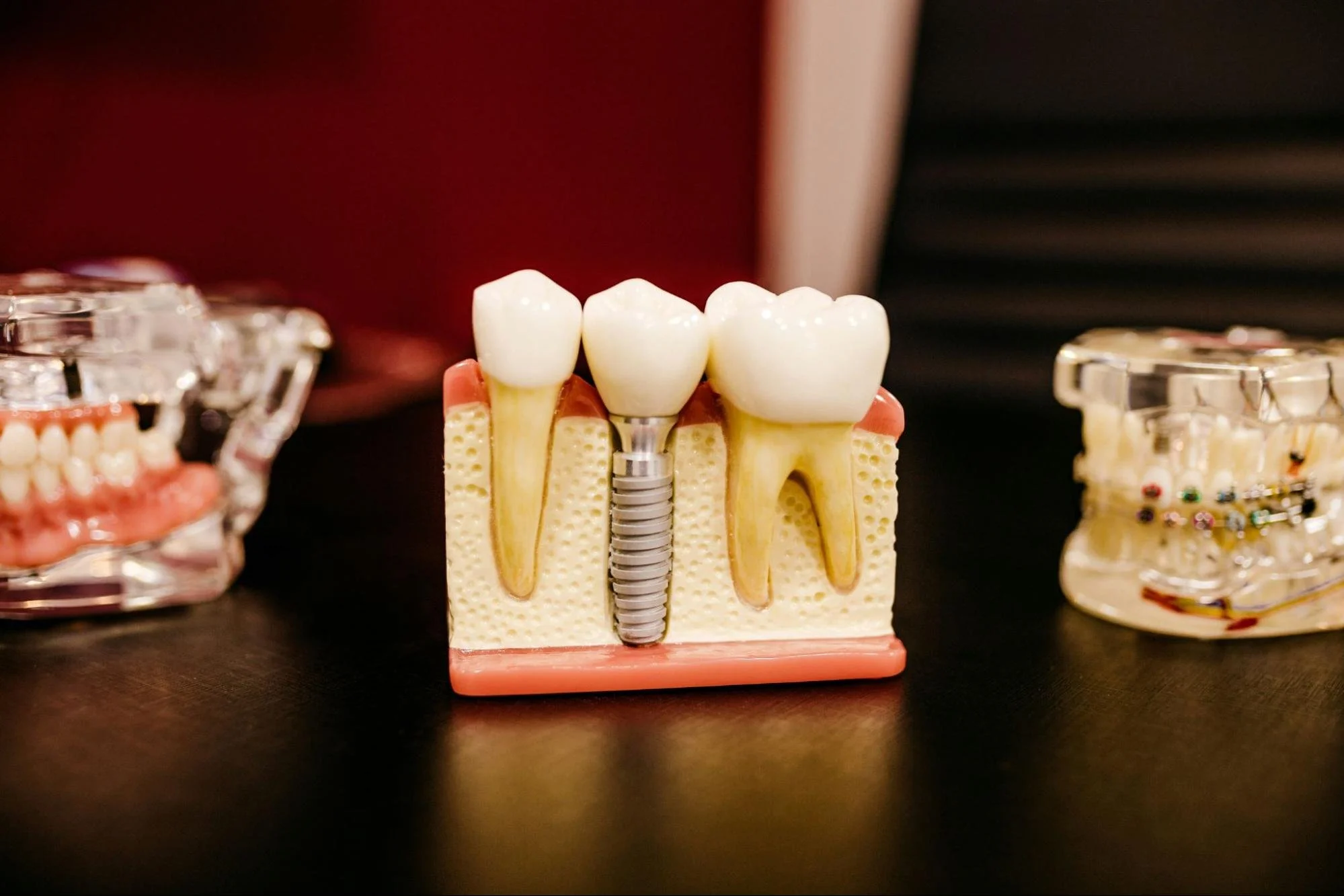
When to Brush Baby Gums
Knowing when to brush baby gums is just as important as knowing when to introduce a toothbrush — and it's a step most parents miss entirely.
The ADA recommends beginning to clean your baby's mouth within the first few days after birth. Even without teeth, bacteria and milk sugars accumulate on the gum tissue and create conditions that accelerate decay the moment the first tooth breaks through.
Starting gum care early has another benefit: babies who are used to having their mouths touched transition to a toothbrush much more easily. By the time the first tooth arrives, the routine is already familiar for both of you.
How to Clean Baby Gums
Wrap a clean, damp washcloth or piece of gauze around your finger
Gently wipe along the upper and lower gum lines
Do this after every feeding, and always before bed
A soft silicone finger brush is also a good option as your baby grows
Selkirk Dental Tip: Gum wiping is one of the most overlooked steps we see in young families. It takes under 30 seconds and sets the stage for everything that follows. We are always happy to show you the technique at your baby's first visit.
Book your child's dental appointment with Selkirk Dental in Revelstoke, BC. We serve Revelstoke and the surrounding communities for family dental care.
What Is the 2-2-2 Rule for Brushing Teeth?
The 2-2-2 rule is a simple framework to help families remember core dental habits:
2 minutes — brush for a full two minutes each session
2 times per day — morning and night, every day
2 times per year — visit your dental professional every 6 months
Data shows most families are not hitting all three. According to the C.S. Mott Children's Hospital National Poll on Children's Health (January 2025) — a nationally representative survey of 1,801 parents:
Only 64% of children brush twice a day
Only 59% of children brush for at least 2 minutes
Only 23% of children floss regularly
Only 1 in 5 children follow 4 or more of the top 6 recommended oral health practices on most days
For babies and toddlers, the brushing portions of the 2-2-2 rule apply from the very first tooth. A two-minute sand timer or a short song can make the time feel manageable for young children.
When Can You Start Brushing Baby Teeth with Toothpaste?
Start using toothpaste as soon as the first tooth appears. The type and amount matter.
Under Age 3: A Rice-Grain Smear of Fluoride Toothpaste
The AAPD and AAP both recommend fluoride toothpaste from the first tooth — not fluoride-free. Use no more than a smear the size of a grain of rice. At this amount, fluoride is safe even if your baby swallows some, and it meaningfully strengthens developing enamel.
Fluoride-free toothpaste is no longer the recommended choice for infants. The updated position from all major dental and pediatric bodies is that fluoride toothpaste from the first tooth is both safe and beneficial at the correct dose.
Ages 3–6: A Pea-Sized Amount
Per ADA guidelines, increase to a pea-sized amount at age 3. Teach your child to spit — but not rinse with water. Supervise all brushing until around age 8–10.
Toothpaste & Toothbrush by Age
| Age | Tool | Toothpaste |
|---|---|---|
| Birth – First tooth | Damp cloth or silicone finger brush | None |
| First tooth – Age 3 | Soft-bristled infant brush | Rice-grain smear of fluoride toothpaste |
| Ages 3–6 | Child-sized soft brush | Pea-sized amount of fluoride toothpaste |
| Ages 6+ | Child/youth soft brush | Pea-sized; supervise until age 8–10 |
Selkirk Tip: Replace your child's toothbrush every 3–4 months or when the bristles are frayed, per ADA guidance.
Is It Bad to Not Brush Baby Teeth?
Yes — and the consequences go beyond cavities. Baby teeth are not placeholders. They serve critical roles in your child's health and development.
Baby Teeth Get Cavities Quickly
The enamel on primary teeth is thinner than on permanent teeth, making it more vulnerable to decay. The CDC's 2024 Oral Health Surveillance Report shows untreated decay was higher in children aged 6–8 (18%) than in those aged 2–5 (11%) — showing how fast the problem compounds without early habits in place.
Tooth Pain Affects Daily Life
According to Indiana University School of Medicine, children miss more than 51 million school hours per year due to dental pain and related illness. Untreated tooth pain affects sleep, appetite, and a child's ability to focus at school.
Baby Teeth Hold Space for Adult Teeth
Each baby tooth guides the permanent tooth developing beneath it into the correct position. As the AAPD explains, when a baby tooth is lost early due to decay, nearby teeth drift — often leading to crowding and misalignment that requires orthodontic treatment.
Oral Health Affects Overall Health
The US Preventive Services Task Force identifies untreated early childhood caries as associated with pain, impaired growth, decreased weight gain, poor school performance, and future dental disease. The mouth is connected to the rest of the body — early oral health habits matter far beyond the teeth.
How to Prevent Baby Bottle Tooth Decay
Baby bottle tooth decay — also called Early Childhood Caries (ECC) — happens when sugary liquids pool around a baby's teeth during sleep. It is one of the most common and preventable causes of severe early childhood decay.
The AAP recommends the following to protect your child:
Never put your baby to bed with a bottle of anything other than water
After nighttime nursing, wipe teeth with a damp cloth before sleep
Never dip pacifiers in honey, sugar, or juice
Transition from bottle to cup by 12 months
Tips to Make Brushing Easier
The Mott Poll found getting kids to brush consistently is one of the most common parenting challenges. These approaches can help:
Brush at the same time. Children learn by watching. Brushing alongside your child reinforces that it is a normal, daily habit.
Let them choose their toothbrush. A brush in their favourite colour or with a favourite character increases cooperation.
Use a timer or a song. Two minutes feels long to a toddler. A sand timer or a 2-minute song makes it concrete.
Keep it routine, not optional. Brushing fits in the same category as putting on pyjamas — it is simply part of the bedtime sequence.
Praise consistency. Positive reinforcement builds the habit more effectively than pressure or negotiation.
🦷 Book Your Child's First Appointment
Whether your baby just got their first tooth or your toddler is due for a checkup, we are here to help.
📍 Serving Revelstoke, BC and nearby communities
New patients welcome.
Baby Dental Care at a Glance
| Milestone | Action |
|---|---|
| Birth | Wipe gums with damp cloth after feedings |
| First tooth (avg. 6–10 months) | Infant brush + rice-grain of fluoride toothpaste, twice daily |
| First birthday | First dental visit at Selkirk Dental |
| Two teeth touching | Begin flossing |
| Age 3 | Pea-sized toothpaste; teach spitting |
| Age 6 | First permanent molars arrive, extra care needed |
| Ages 7–10 | Transition to supervised independent brushing |
| Every 6 months | Dental checkup and cleaning |
Frequently Asked Questions
How do I know if my baby is teething?
Common signs include increased drooling, chewing on objects, swollen gums, and fussiness. Per theADA, fever, diarrhea, and rashes are not normal teething symptoms — contact your pediatrician if these occur.
What if my baby hates having their teeth brushed?
This is one of the most common challenges we hear about. Try brushing alongside your child, offer a second brush for them to hold, or try a different bristle texture. Consistency matters more than perfection — contact Selkirk Dental for personalized guidance.
What if we drink well water — is fluoride still covered?
Well water and some bottled waters may lack fluoride. Your dental professional can assess this and recommend supplements or additional fluoride varnish if needed, per ADA guidance. Ask us at your first visit.
Should a cavity in a baby tooth still be treated?
Often, yes. As the AAPD explains, untreated cavities can spread, cause pain, and affect the permanent tooth developing below. Treatment decisions depend on severity and timing — we will always walk you through the options clearly.
Data sources: CDC 2024 Oral Health Surveillance Report ·NIDCR Dental Caries in Children ·C.S. Mott Children's Hospital National Poll on Children's Health, January 2025 ·AAPD Parent FAQ ·AAP HealthyChildren.org Oral Health ·ADA MouthHealthy — Baby Teeth ·ADA MouthHealthy — Healthy Habits Babies & Kids ·US Preventive Services Task Force ·IU School of Medicine — Most Common Chronic Disease of Childhood